
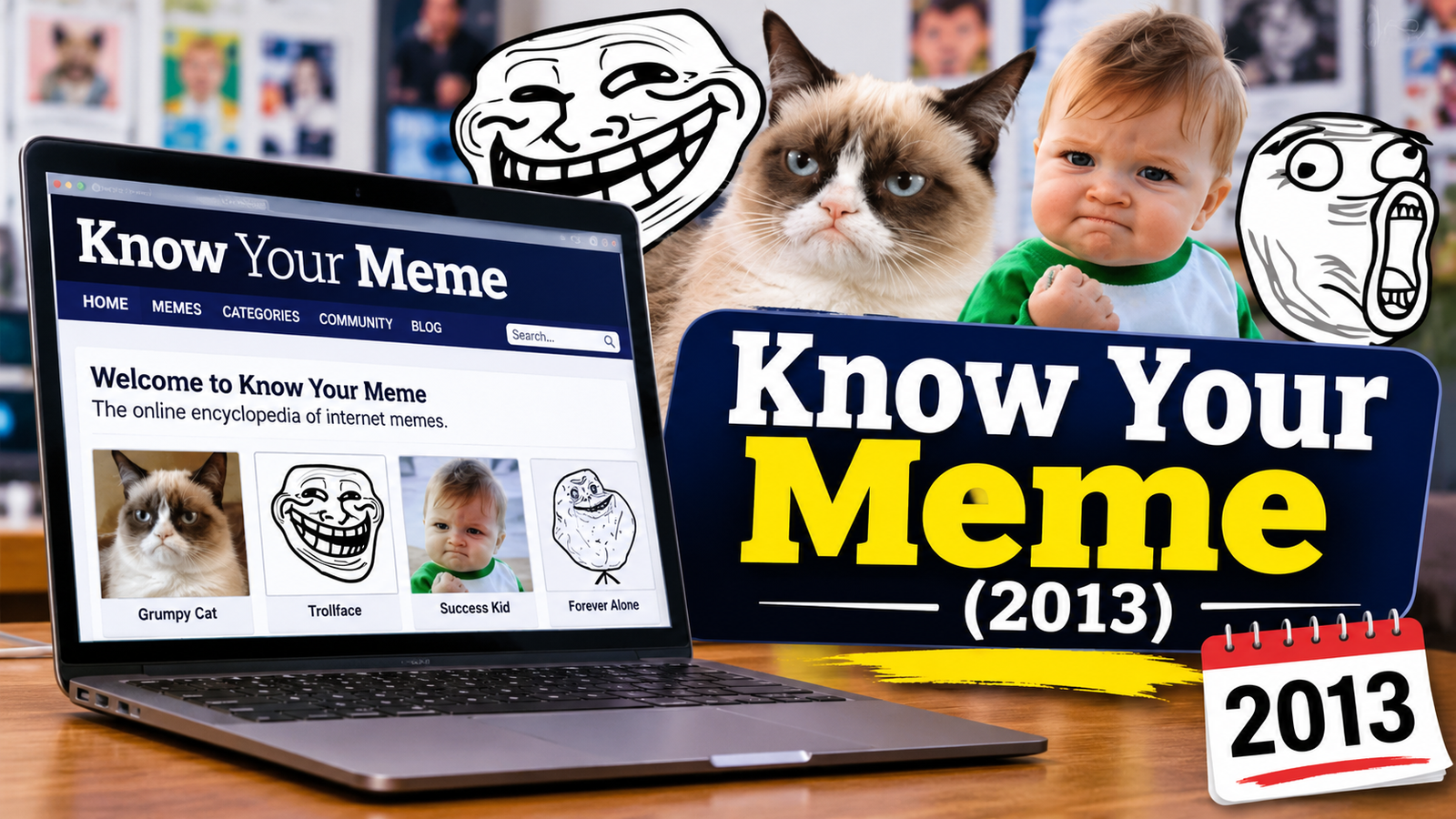
Arts KnowYourMeme 2013 is a search phrase that appears to connect internet art, digital creativity, and the meme culture documented by Know Your Meme. The year 2013 was an important period for online creative communities, when image-based humor, digital illustrations, fan art, and viral visual trends helped shape internet culture.
Know Your Meme provides historical information about internet memes and online phenomena, making it a useful resource for understanding how digital artwork and visual trends developed. However, the phrase itself does not identify one clearly established meme, artist, or specific art movement.
What Is Know Your Meme?
Know Your Meme is an online encyclopedia dedicated to documenting the origins, development, and popularity of internet memes.
The platform examines different forms of online content, including:
- Digital artwork and illustrations
- Internet humor and image macros
- Fan art and fandom communities
- Viral photographs and videos
- Animation and creative visual trends
- Online challenges and social media movements
Its entries often include background information, origin stories, publication dates, examples, and explanations of how particular trends spread.
Know Your Meme is particularly useful for researching older internet trends because it preserves information about how online communities created and shared digital content.
The Relationship Between Arts and Internet Memes in 2013
In 2013, internet culture was becoming increasingly visual. Social networking platforms provided opportunities for artists, designers, and everyday users to share creative work with international audiences.
Art was no longer limited to traditional paintings, illustrations, or professional galleries. Digital artwork, humorous edits, creative photography, and fan-made illustrations were also becoming recognizable parts of internet culture.
Several developments documented by Know Your Meme help illustrate this relationship.
Printing Out the Internet
Printing Out the Internet was a conceptual art project launched in May 2013 by Kenneth Goldsmith.
The project invited people to print webpages and contribute the printed material to an art installation. It was conceived as a memorial to internet activist and programmer Aaron Swartz.
The installation was presented at the LABOR art gallery in Mexico City from July 26 to August 31, 2013. It demonstrated how digital information could become physical artwork. Know Your Meme
Occupy Facebook With Art
Occupy Facebook With Art was a social media activity that began circulating in late 2013.
Participants received instructions to share artwork by a particular artist on their Facebook timelines. The activity became more widely circulated in January 2014 and inspired similar versions involving poetry, music, movies, and other creative subjects.
It illustrates how social networking platforms could turn art discovery into a community activity. Know Your Meme
Toast Art
Toast Art is another creative subject documented by Know Your Meme. It involves creating designs on slices of bread by applying heat through stencils or other techniques.
Although the Know Your Meme entry was added in November 2013, the practice itself dates back much earlier. One documented example is a Mona Lisa reproduction created by Japanese artist Tadahiko Ogawa in 1983.
This distinction is important because the date an entry appears in an online database is not necessarily the date the artistic practice originated. Know Your Meme
How Digital Art Influenced Meme Culture
Digital art and internet memes developed alongside each other. Both rely on visual communication, creativity, and the ability to reach audiences through online platforms.
Several characteristics helped connect these two forms of expression.
Creative Remixing
Internet users frequently adapted existing photographs, illustrations, and visual templates to create new content.
This process allowed a single image to inspire numerous interpretations. People could add captions, change backgrounds, introduce characters, or combine different visual elements.
Fan Art Communities
Fan art became an important part of online creative communities. Artists created original interpretations of characters, fictional worlds, video games, and television programs.
These contributions helped fans participate in the culture surrounding their favorite entertainment.
Digital Illustration
Digital illustration made it easier for artists to create, edit, and distribute artwork online.
Drawing software, image-editing applications, and online communities helped creators experiment with different styles and share their work beyond traditional artistic environments.
Visual Humor
Memes also provided an accessible way to communicate humor through images.
Artists and internet users combined illustrations, photographs, and short captions to express reactions, opinions, and everyday experiences.
Why Is 2013 Important in Internet Art History?
The year 2013 provides an interesting snapshot of the relationship between online creativity and internet communities.
Social networking platforms were already established as major places for sharing visual content. Meanwhile, digital artists were experimenting with new ways to present artwork and involve audiences in creative projects.
The examples documented by Know Your Meme demonstrate several different approaches to internet art.
- Conceptual projects explored the relationship between digital information and physical artwork.
- Social media activities encouraged people to discover and share existing art.
- Creative experiments transformed ordinary objects into artistic subjects.
- Online communities helped distribute visual content to wider audiences.
These developments show that internet art was not restricted to one particular format or creative discipline.
How Know Your Meme Documents Artistic Trends
Know Your Meme uses a database-style structure to organize information about internet culture.
Its entries generally provide historical context and explain how a particular subject originated and developed.
Origin Information
Origin information helps readers understand where a meme or online trend first appeared.
Depending on the available evidence, an entry may identify an original creator, platform, publication date, or early example.
Spread and Popularity
The spread section explains how online communities discovered and shared a particular subject.
It can include information about social media activity, reposts, adaptations, and related developments.
Related Examples
Examples help readers understand how an idea changed as different users adapted it.
For artistic trends, these examples can demonstrate variations in design, presentation, and creative interpretation.
Community Contributions
Know Your Meme also incorporates community participation into its documentation process. Users can contribute information and evidence, while editorial review helps determine the status of individual entries.
This structure makes the platform useful for studying the development of online culture. Know Your Meme+1
Why People Search for Arts KnowYourMeme 2013
People searching for arts KnowYourMeme 2013 may be looking for information about internet art, historical meme entries, or creative trends associated with that year.
The search phrase can relate to several interests:
- Researching digital art trends from 2013.
- Finding historical internet memes involving artwork.
- Exploring fan art and online creative communities.
- Understanding how social media influenced artistic expression.
- Discovering conceptual art projects documented by Know Your Meme.
Because the phrase does not identify one specific confirmed entry, readers should consider the individual subject and its documented history when researching it.
Frequently Asked Questions
What does arts KnowYourMeme 2013 mean?
It is a search phrase associated with art, digital creativity, and internet culture documented by Know Your Meme around 2013. It does not identify one specific established meme.
What is Know Your Meme?
Know Your Meme is an online encyclopedia that researches and documents internet memes, viral content, online trends, and digital culture.
What are some art-related trends documented from 2013?
Examples include Printing Out the Internet, Occupy Facebook With Art, and the Toast Art entry. These subjects have different origins and histories.
Was Printing Out the Internet an actual art project?
Yes. It was a conceptual art project launched in May 2013 by Kenneth Goldsmith and exhibited at LABOR gallery in Mexico City later that year.
Did digital art become popular through internet memes?
Digital art and memes developed alongside one another. Online communities helped artists distribute illustrations, fan art, edited photographs, and other creative content to wider audiences.
Is Know Your Meme useful for researching internet art history?
Yes. Its documented entries can help readers investigate the origins, development, and cultural influence of visual trends and other internet phenomena.
Conclusion
Arts KnowYourMeme 2013 is best understood as a search topic connecting digital artwork, online creativity, and the history of internet memes. The year offers several interesting examples of how artists and internet communities explored creative expression through social media, conceptual projects, and visual experimentation.
Know Your Meme provides a useful historical framework for understanding these developments. By examining individual entries and distinguishing their publication dates from their actual origins, readers can gain a clearer picture of how internet art and meme culture evolved.
Also read: How to Use AI Meeting Notes in Notion

1 Comment
Pingback: Cute Redbubble Stickers: Best Designs, Styles, and Buying Tips